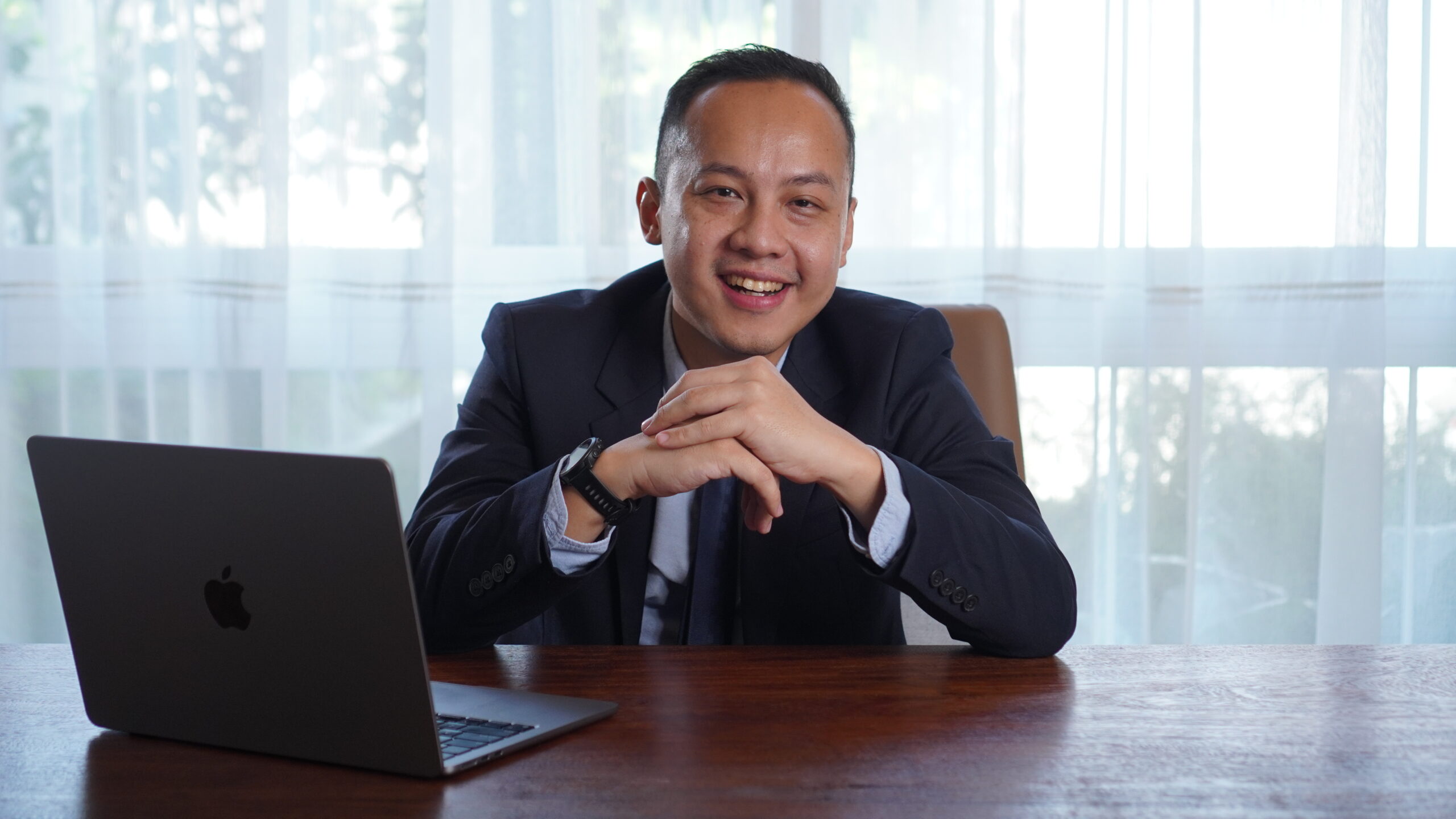
In a high-pressure logistics environment, engagement is often treated as an extra effort, something added on top of demanding operations. For Achmad Ziki Rahmad Hidayat, that approach never made sense. As Head of Employee Engagement at DHL Supply Chain Indonesia, his perspective is grounded in the realities of the warehouse floor and frontline teams. As he puts it, “employee engagement in a high-pressure logistics environment is not about events, slogans, or momentary excitement.”
What he believes in instead is far more personal. “It is about emotional ownership, when people feel seen, trusted, and proud of the work they do, even when the operation is tough, fast, and demanding.” In logistics, he explains, pressure is constant, which is why “engagement must become the energy system of the organization, not an additional activity.”
From Programs to Everyday Experience
 When he stepped into his role, Ziki was clear about what needed to change. “I defined my mandate very clearly: to move engagement from being ‘program-based’ to becoming experience-based.” Coming from an IR and ER background, he was deeply connected to grassroots realities, and that shaped his approach.
His focus became designing an end-to-end employee experience. This included “how leaders communicate, how recognition is felt on the ground, how inclusive our culture is, how wellness is supported, and how small human moments are created every day.” The goal was simple but powerful. “My mandate is to ensure that every DHL Supply Chain employee, from warehouse floor to management, can say: ‘I belong here, I matter here, and I grow here.’” In an operational business, he believes, “that belief is what sustains performance, retention, and pride.”
One initiative that brought this philosophy to life was the UPStairs merchandise movement. Originally a global fundraising program, it was transformed locally based on one belief. “Engagement becomes powerful when employees are not only participants, but contributors.” By introducing merchandise and inviting employees and their families to donate through something they could proudly wear, the program became emotional, visible, and personal.
The results were telling. “We raised more funds internally than the amount we received from global,” a clear sign of grassroots ownership. Beyond numbers, the cultural impact stood out. “Employees didn’t just support the cause, they championed it.” UPStairs evolved into “a symbol of who we are: a company where compassion, unity, and action truly meet.”
Linking Engagement, Culture, and Business Reality
 For Ziki, engagement must never be disconnected from business outcomes. “Engagement must always be designed as a business enabler, not a side activity.” Every initiative is tied to a clear problem statement, whether it is attrition risk, leadership visibility, collaboration gaps, or operational stress points.
Measurement matters, but only when it reflects reality. He tracks impact through attrition trends, internal trust scores, SmartConnect activation, and site-level participation. The results show up clearly. “When people feel heard, energized, and proud of where they work, performance follows naturally,” because engaged employees “work safer, collaborate better, and care more about operational excellence.”
Inclusion, especially in a distributed logistics environment, must start from the frontline. “Inclusion starts by designing engagement from the frontline backwards.” This means going to sites, listening to field teams, observing work patterns, and shaping initiatives around real conditions. Programs are co-created, not imposed, with representatives from different functions, generations, and locations involved from the start.
Global frameworks also require thoughtful adaptation. “Global frameworks are the compass, but local culture is the engine.” One example was the localization of a global initiative. A concept called “HR Bar” was redesigned into “HR Pop Up Café” to better fit Indonesian cultural norms. The substance stayed the same, but the format changed to feel welcoming, familiar, and inclusive. The result was engagement that felt natural and genuinely owned.
2025 HR Stars Awards Indonesia
As a judge for the 2025 HR Stars Awards Indonesia, Ziki brings the same grounded lens to evaluating excellence. “I always look beyond polished slides and impressive numbers.” What matters most to him are “authenticity, courage, and sustainability.”
Strong entries, in his view, “show a clear understanding of the real business and human challenges behind the project.” He looks for initiatives where leadership involvement goes beyond endorsement and where impact touches both culture and performance. Ultimately, what impresses him most are “projects that empower people, shift mindsets, and build capabilities that last.”
Because for Ziki, the most meaningful HR work is simple in its intent. “The most powerful HR innovations are not the ones that look the most sophisticated, but the ones that genuinely make work better, safer, and more meaningful for people.”